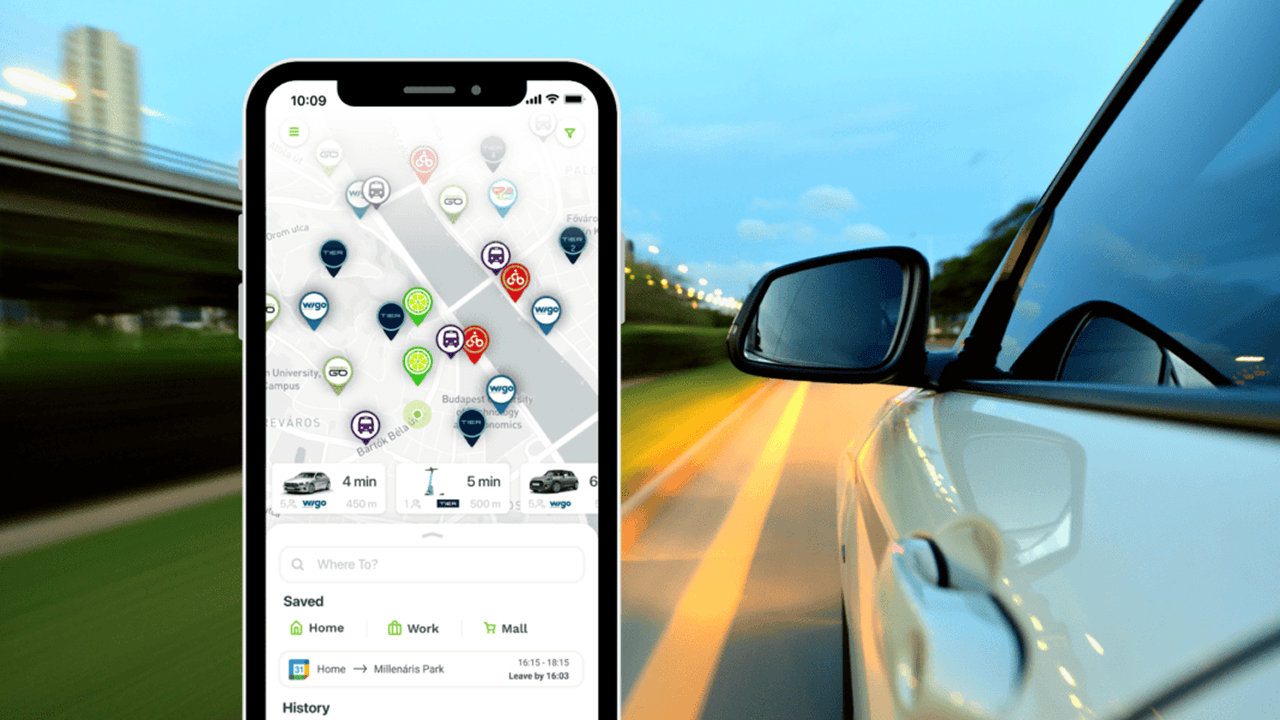
Fleet Management in 2026 – 5 Trends You Can't Afford to Ignore
Corporate fleet management is undergoing an unprecedented transformation. Just a few years ago, a fleet manager's job was limited to vehicle registration and coordinating service appointments. In 2026, it has become a strategic role where data analytics, sustainability, and employee experience converge.
1. AI-Powered Planning and Predictive Maintenance
Artificial intelligence algorithms ensure optimal fleet utilization based on real-time data. In the Sharee system, this translates to automatic recommendations for selecting the most suitable vehicle, minimizing idle time.
2. The EV Transition as an Economic Imperative
The shift to electric vehicles has accelerated in the Hungarian market as well. It has become the rational choice — not only for environmental reasons, but also due to lower operating costs and tax incentives.
3. Data-Driven Management
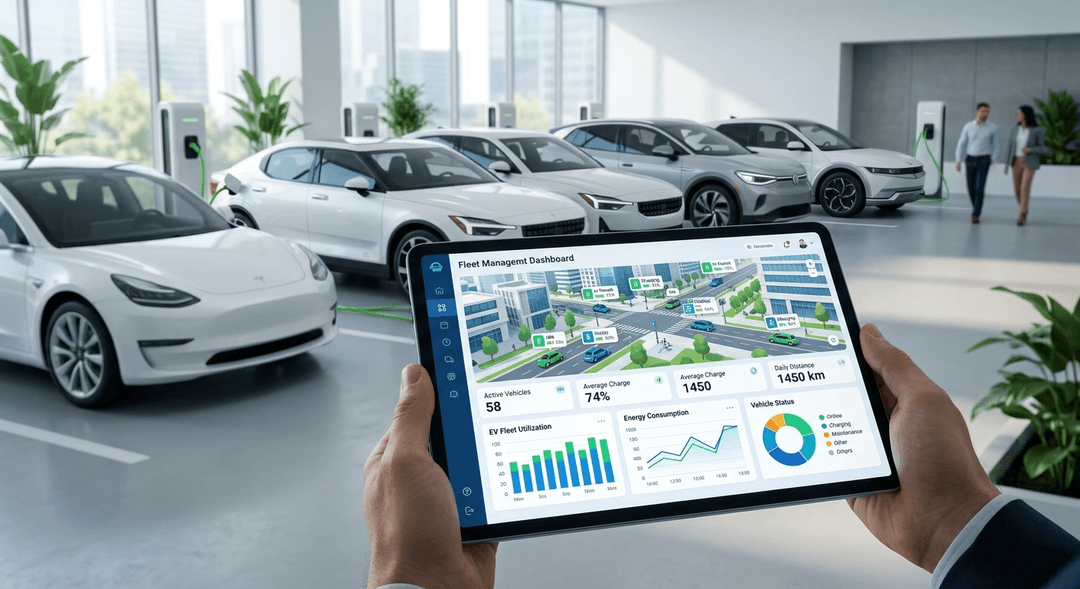
Modern software displays costs and CO₂ emissions on real-time dashboards. Fleet managers no longer analyze invoices after the fact — they proactively intervene in processes as they happen.
4. Carsharing Integration (Pool Car)
The era of dedicated company cars is fading. Pool car systems can reduce the required fleet size by 40–60%, while maintaining employee flexibility.
5. CSRD Compliance and Sustainability Reporting
Sustainability reporting, mandated by EU directives, is supported by automated carbon dioxide calculations — a core feature of the Sharee platform.